

As an esthetician, I’ve spent years studying skin, treatments, ingredients, and the many ways different conditions present themselves. One thing I’ve noticed repeatedly — both professionally and personally — is how closely skin health seems connected to stress and inflammation within the body.
Of course, professional skincare treatments, quality products, and consistency absolutely matter. Healthy skin often requires a combination of corrective treatments, proper home care, hydration, barrier support, and targeted ingredients.
But I also believe skin is deeply influenced by what’s happening internally.
Stress, lack of sleep, nervous system overload, inflammation, hormones, diet, and overall lifestyle can all affect the way skin looks, feels, and heals. Sometimes the skin is one of the first places the body shows signs that something is off balance.
Over the years, I’ve noticed that many people struggling with their skin aren’t only dealing with surface-level concerns. Often, there’s also stress, exhaustion, overstimulation, burnout, inflammation, or lack of rest happening underneath the surface.
Signs Stress & Inflammation May Be Affecting the Skin
Stress and inflammation can show up in the skin in many different ways, including:
- dullness or loss of glow
- puffiness
- sensitivity or redness
- dehydration
- slower healing
- jawline or chin breakouts
- inflammation beneath the skin
- uneven texture
- flare-ups of existing skin conditions
- skin that simply looks “tired”
Of course, not every skin issue is caused by stress. Skin conditions are complex and often involve multiple factors. But I do think many people underestimate how much chronic stress and inflammation can affect the skin overall.
Why Professional Treatments Still Matter
While internal health plays a major role, professional skincare treatments can still make an incredible difference.
One of the biggest misconceptions I see online is the idea that skincare is either “internal” or “external,” when in reality, healthy skin usually requires both.
Professional treatments can help:
- improve circulation
- encourage healthy cell turnover
- calm inflammation
- support collagen production
- strengthen the skin barrier
- deeply hydrate the skin
- reduce congestion
- improve texture over time
Consistency also matters. Skin often responds best to supportive treatments performed regularly instead of constantly jumping between aggressive approaches.
Personally, I’ve become much more focused on treatments that support and strengthen the skin while also calming inflammation — especially when someone’s skin already feels stressed or reactive.
Why I Focus So Much on Relaxation During Treatments
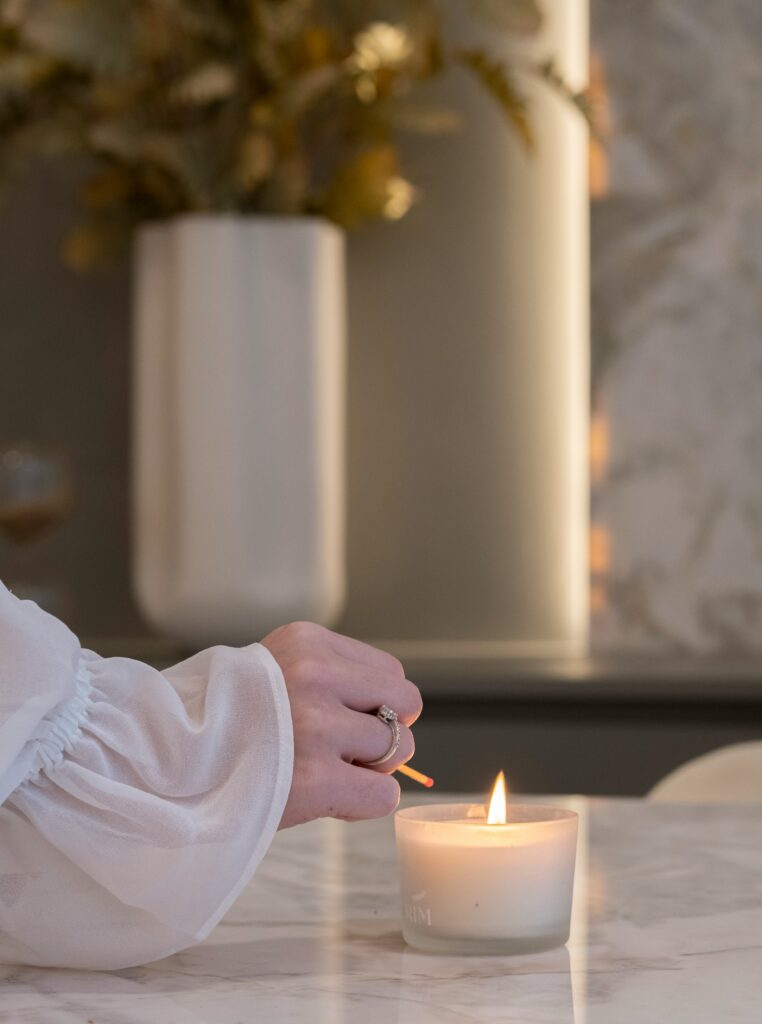
Over the years, I’ve realized that many people aren’t just physically tired — they’re overstimulated.
They’re rushing constantly, sleeping poorly, clenching tension in their jaw and shoulders, scrolling nonstop, and operating in a constant state of stress without even realizing it.
That’s one reason I focus heavily on creating a calming environment during treatments at Complexions.
I want clients to feel like they can fully relax, slow down, breathe deeply, and let go for a little while. Not just because it feels nice, but because I truly believe the nervous system plays a role in overall skin health and inflammation.
Sometimes the body responds best when it finally feels safe enough to relax.
Small Ways to Support Skin Beyond Products
While there’s no “perfect” formula for healthy skin, these are a few things I personally believe can help support the skin and body overall alongside a good skincare routine:
- prioritizing sleep- https://amzn.to/4wiDjKZ
- drinking enough water-https://amzn.to/4uGvAVo
- supporting the skin barrier-set up a phone/email consult to find the best option for your skin!
- reducing over-exfoliation-https://amzn.to/49oWUPy
- managing stress levels-https://amzn.to/4u7HbwK
- spending more time outside-https://amzn.to/430pT8N
- morning sunlight exposure-https://amzn.to/4dh33i6
- movement and circulation-https://amzn.to/4uDEbI6
- calming the nervous system-https://amzn.to/4djueso
- staying consistent with skincare instead of constantly changing products
Check out the amazon links above for some helpful tips!
I believe in approaching skin with patience. Healthy skin is usually built through consistency, balance, and long-term support — not overnight perfection.
The more we support the body as a whole, the healthier the skin often becomes as a result.